
The human runner
Evolution, anatomy and the role of the brain.
The running book by Daniel Berthold · German edition
The science of running — a handbook for training, injury prevention and long-term physical capacity.
30 chapters connect sports medicine, training science, biomechanics and everyday work with runners — from a first 10K to the marathon and returning after injury.
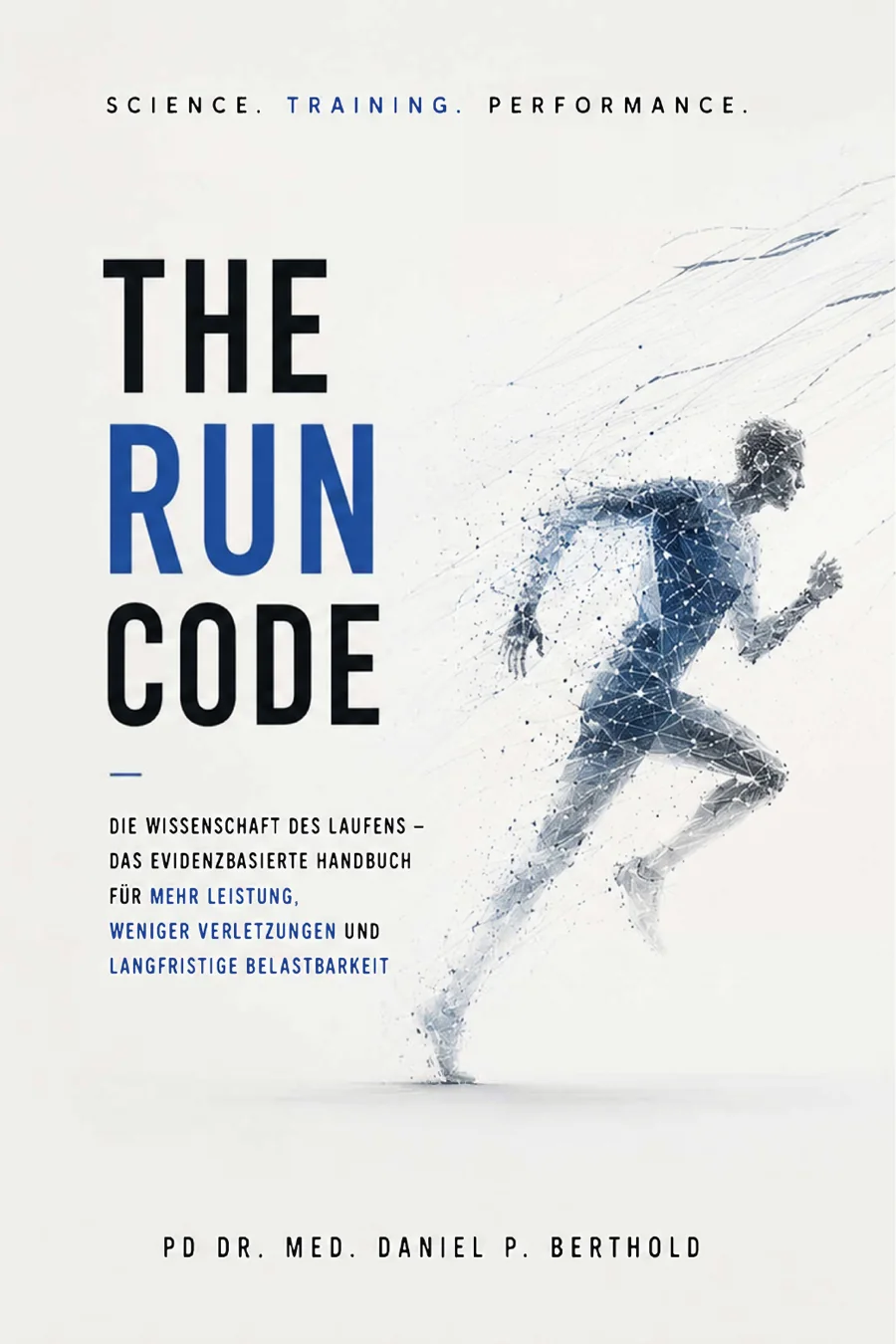 Science · Training · Performance
The idea behind The Run Code
A watch can reveal progress, but cannot explain every episode of fatigue. A shoe can change running economy, but cannot replace physical capacity. A training plan provides structure, yet does not automatically recognize when the body is adapting — and when it is merely compensating.
The Run Code makes sense of these relationships. It explains how performance develops, why injuries occur and how training, technique, strength, nutrition and recovery work together.

Contents
The eight parts build on each other: understand, interpret, train and remain capable over the long term.
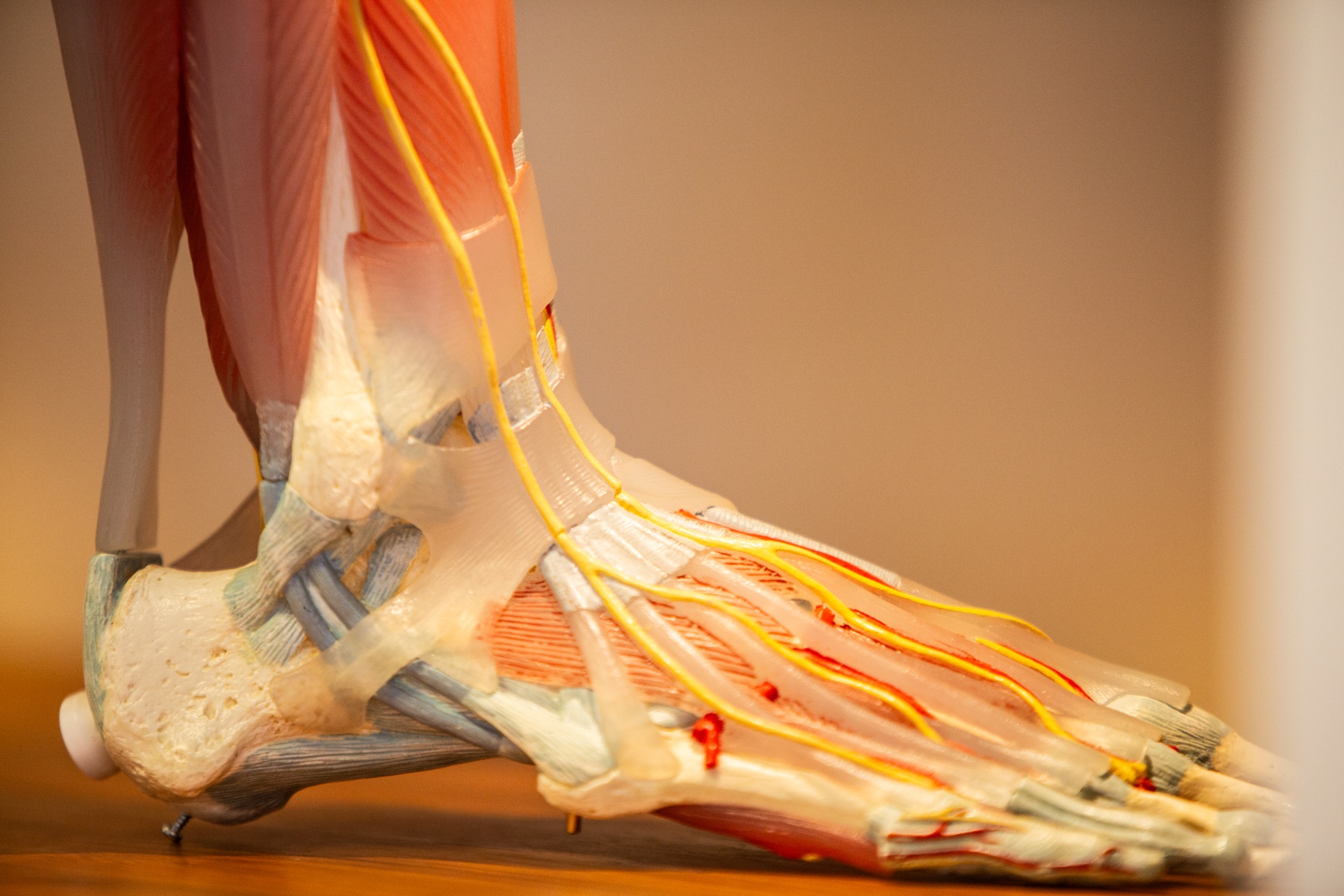
Evolution, anatomy and the role of the brain.
VO₂max, threshold, running economy, training zones and periodization.
Foot strike, cadence, the hip, foot mechanics, running analysis and gait retraining.
Strength training, plyometrics, tendon adaptation, mobility and warming up.
The knee, Achilles tendon, calf, plantar fascia, hip, hamstrings and back.
Carbon shoes, orthotics, wearables, running data and AI coaching.
Fueling, hydration, supplements, sleep, hormones and the immune system.
Assessment, five-stage running development and plans from 5K to the marathon.
37 pages · 12 topics · German sample
The expanded sample spans the book’s full range: why VO₂max alone cannot explain a race, how running style distributes load, what strength training offers runners, why injuries rarely have just one cause — and how these insights become a workable training plan.
From the book · translated excerpts
“What looks simple from the outside is an extraordinarily complex interaction of heart, lungs, muscles, tendons, bones, brain, metabolism, technique, experience and load management.”
“A watch can make a trend visible, but it cannot always explain why a runner is tired, injured or unable to progress.”
“A plan can be physiologically convincing and practically unusable. A good plan must do more than work in theory. It must be followed often enough to have any effect at all.”
Who the book is for
Understand the foundations, avoid common mistakes and build training sensibly.
Make better sense of performance measurements, training zones, running economy and race preparation.
Understand capacity, tissue response and a gradual return to running.
Connect training, biomechanics and sports orthopedic decisions in one model.

The author
Daniel Berthold writes from three perspectives that keep each other in check: the physician sees injury and limitations. The scientist asks for evidence. The athlete understands the desire to improve — even when the body has long been asking for caution.
About Daniel BertholdThe Run Code
The German edition of The Run Code is announced for autumn 2026 through Amazon. The direct listing will be linked here when available. You can already explore the interactive sample.