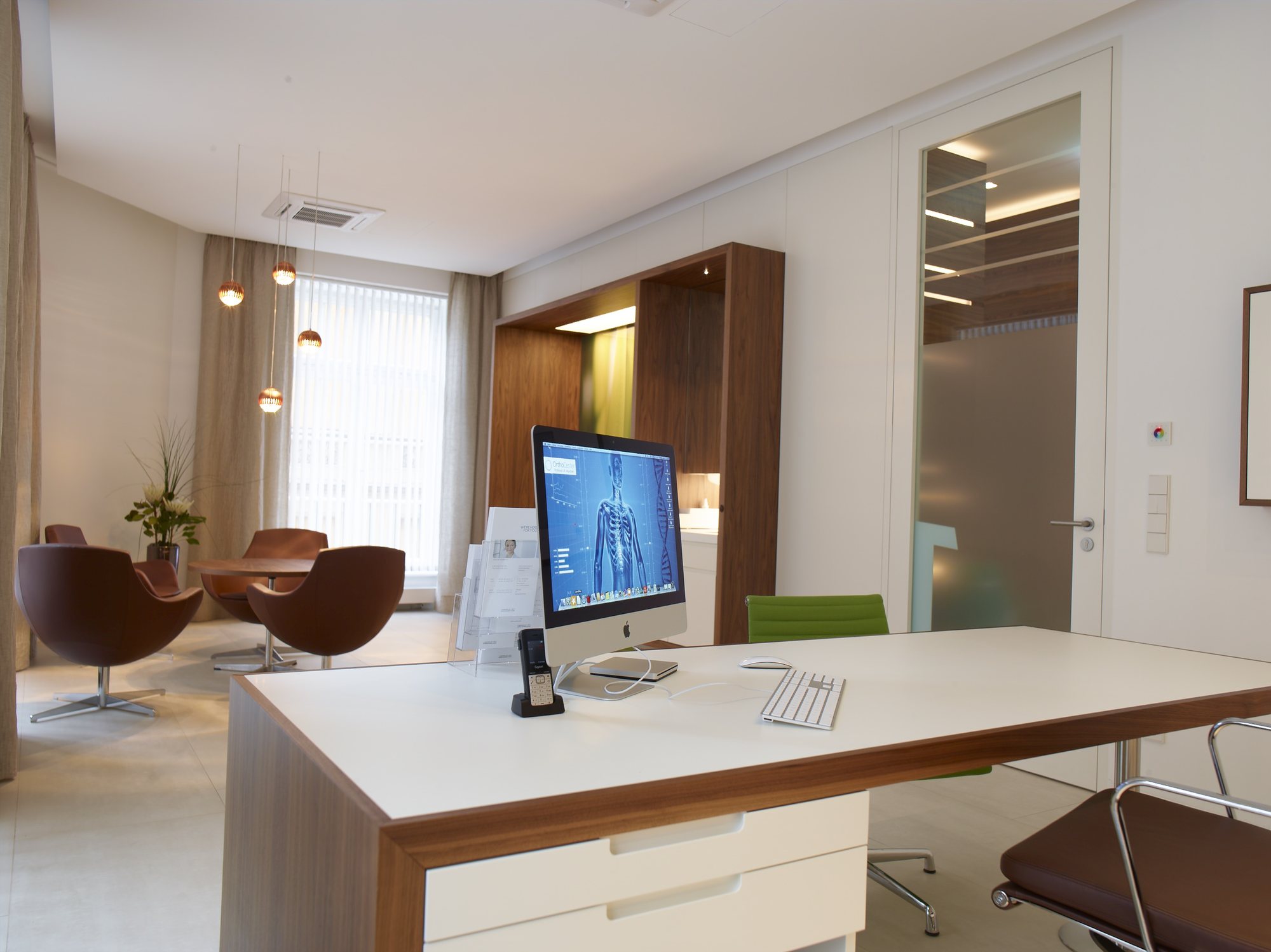
Orthopedic MRI second opinion
Orthopedic MRI second opinion
An MRI second opinion assesses the original scans, not just the written report, alongside your symptoms, examination and history. It aims to clarify which changes are relevant, which might be incidental and whether they actually support a particular treatment.

Key points
The decision depends on the complete clinical picture.
- 01Decision point 1
Review original DICOM images, not the report alone
- 02Decision point 2
Consider image quality, sequences and the region examined
- 03Decision point 3
Compare structural changes with pain and function
- 04Decision point 4
Identify open questions for examination or further testing
Decision guide
Four points to discuss before deciding.
Use these points to prepare the question you want a second opinion to clarify.
- 01
Starting point
Review original DICOM images, not the report alone
- 02
Available information
Consider image quality, sequences and the region examined
- 03
Options
Compare structural changes with pain and function
- 04
Next step
Identify open questions for examination or further testing
What is reviewed
Images need a clinical question.
The review checks whether the described change can be identified on the images, whether relevant associated findings are present and whether there are technical limitations. It may also reveal several possible explanations.
Many degenerative changes occur without symptoms. The most important question is therefore not only what is visible, but whether the location and type of finding fit your actual limitation.
Clinical implications
From an image to a next decision that can be assessed.
The assessment may support a diagnosis, put an incidental finding into perspective or suggest a more focused physical examination. Sometimes weight-bearing X-rays or another imaging method are more useful for the question that needs answering.
An MRI second opinion does not replace clinical assessment. It does, however, clarify which conclusions the images support and which they do not.
International patients
Plan your consultation in Munich.
Bring original images and reports, previous operation notes, a medication list and a short timeline of symptoms and treatment. Write down the activities you want to regain and your most important question. Initial inquiries should not include confidential medical attachments; agree a suitable transfer route with the practice first.
Confirm the consultation language, any interpreting needs, fees and the appropriate appointment before booking travel. This website’s language does not guarantee a consultation in that language. Follow-up and communication with your local clinicians should be planned in advance.
Common questions
Answers to common questions.
Is a photograph of the MRI report enough?
No. Reviewing imaging requires the complete original scans. The written report and clinical question should accompany them.
Can an MRI reliably show where pain comes from?
Not always. It shows structures, but identifying the source of pain requires agreement with the history, examination and function.
How are treatment costs and follow-up agreed?
Request an individual estimate and clarify reimbursement with your insurer. Ask which examinations, written reports and follow-up visits are included. International patients should also plan rehabilitation and medical contact after returning home.
 PD Dr med Daniel P. BertholdOrthopedic surgeon · University lecturer · Sports orthopedics
Author and medically responsiblePD Dr. med. Daniel P. BertholdSpecialist in Orthopaedics and Trauma SurgeryUpdated
Next step
Which contact route fits your request?
Choose between a clinical appointment, second opinion, athlete care or a professional inquiry.