
ACL Second Opinion
Second opinion: ACL injury
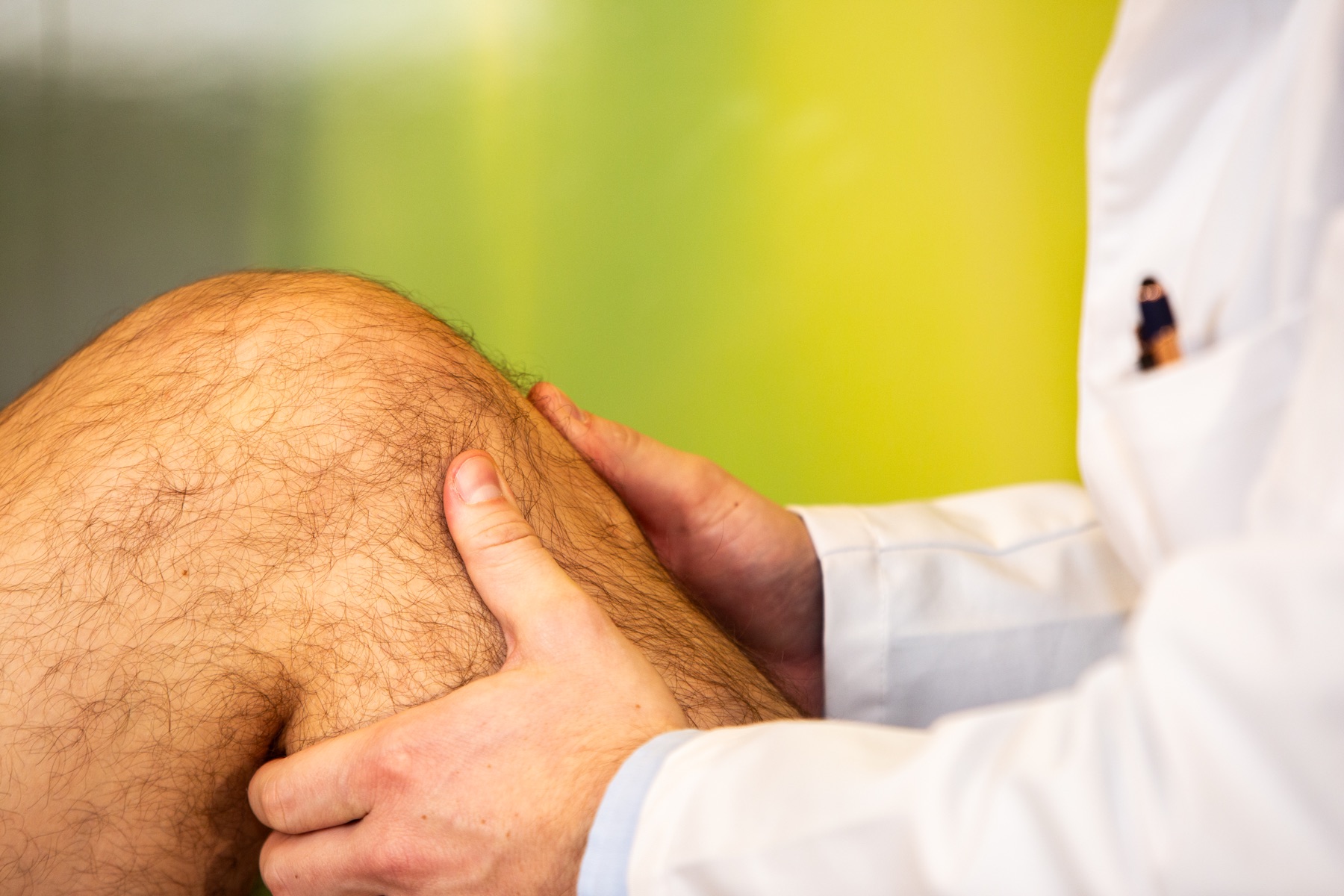
An ACL second opinion examines more than the MRI diagnosis. It considers functional instability, tear characteristics, meniscus and cartilage injuries, the demands of the intended sport and the response to early rehabilitation before discussing non-operative care, ACL repair where appropriate or reconstruction.
Key points
The decision depends on the complete clinical picture.
- 01Decision point 1
Clinical and rotational stability assessed alongside MRI findings
- 02Decision point 2
Associated meniscus, cartilage and other ligament injuries included
- 03Decision point 3
Sport, position and pivoting demands influence the treatment decision
- 04Decision point 4
Rehabilitation is essential with or without surgery
Decision guide
Four points to discuss before deciding.
Use these points to prepare the question you want a second opinion to clarify.
- 01
Starting point
Clinical and rotational stability assessed alongside MRI findings
- 02
Available information
Associated meniscus, cartilage and other ligament injuries included
- 03
Options
Sport, position and pivoting demands influence the treatment decision
- 04
Next step
Rehabilitation is essential with or without surgery
Decision factors
An ACL tear is a stability problem, not just an image finding.
Some people regain sufficient stability with rehabilitation; others experience giving way or need a level of rotational control that the injured knee cannot provide reliably. Associated meniscus damage may make repeated instability particularly relevant.
The decision should account for tear location and tissue, the examination, associated injuries, age in context, sport and the patient’s willingness to complete a demanding rehabilitation process.
Rehabilitation and return
Surgery, if chosen, is one stage of the process.
Strength, movement control, running exposure, change of direction and sport-specific work need to be rebuilt progressively. Time since injury or surgery is important, but it does not describe readiness on its own.
A second opinion can clarify the treatment rationale and the milestones that should guide progression, while acknowledging that reinjury risk can be reduced but not eliminated.
Common questions
Answers to common questions.
Does an ACL that looks continuous again on MRI mean I can return to sport?
No. In some injured knees, MRI can show ligament continuity again. Whether the tissue provides enough tension and rotational stability still requires clinical and functional assessment. A follow-up MRI alone is not clearance to return to sport.
Does a complete ACL tear always require reconstruction?
No. For a recent isolated injury, structured rehabilitation with the option of later reconstruction may be reasonable. The decision depends on knee stability and activity goals. Repeated giving way, persistent problems, a meniscus needing repair, multiple ligament injuries or demanding pivoting sport make surgical stabilization more relevant.
What determines recovery after ACL surgery?
Everyday activities and straight-line training may be possible earlier than pivoting sport. Return to sport also depends on strength, jumping and movement tests, stability and readiness, not a date alone. Meniscus repair or other associated injuries can extend rehabilitation.
Does every ACL tear require reconstruction?
No. The choice depends on functional instability, associated injuries, the demands of the intended activities and progress with rehabilitation. Some tear patterns may raise additional surgical options that require individual assessment.
Can a return-to-sport date be predicted from the MRI?
No. Imaging is only one part of the picture. Healing, strength, movement quality, sport-specific exposure, symptoms and confidence all contribute to readiness.
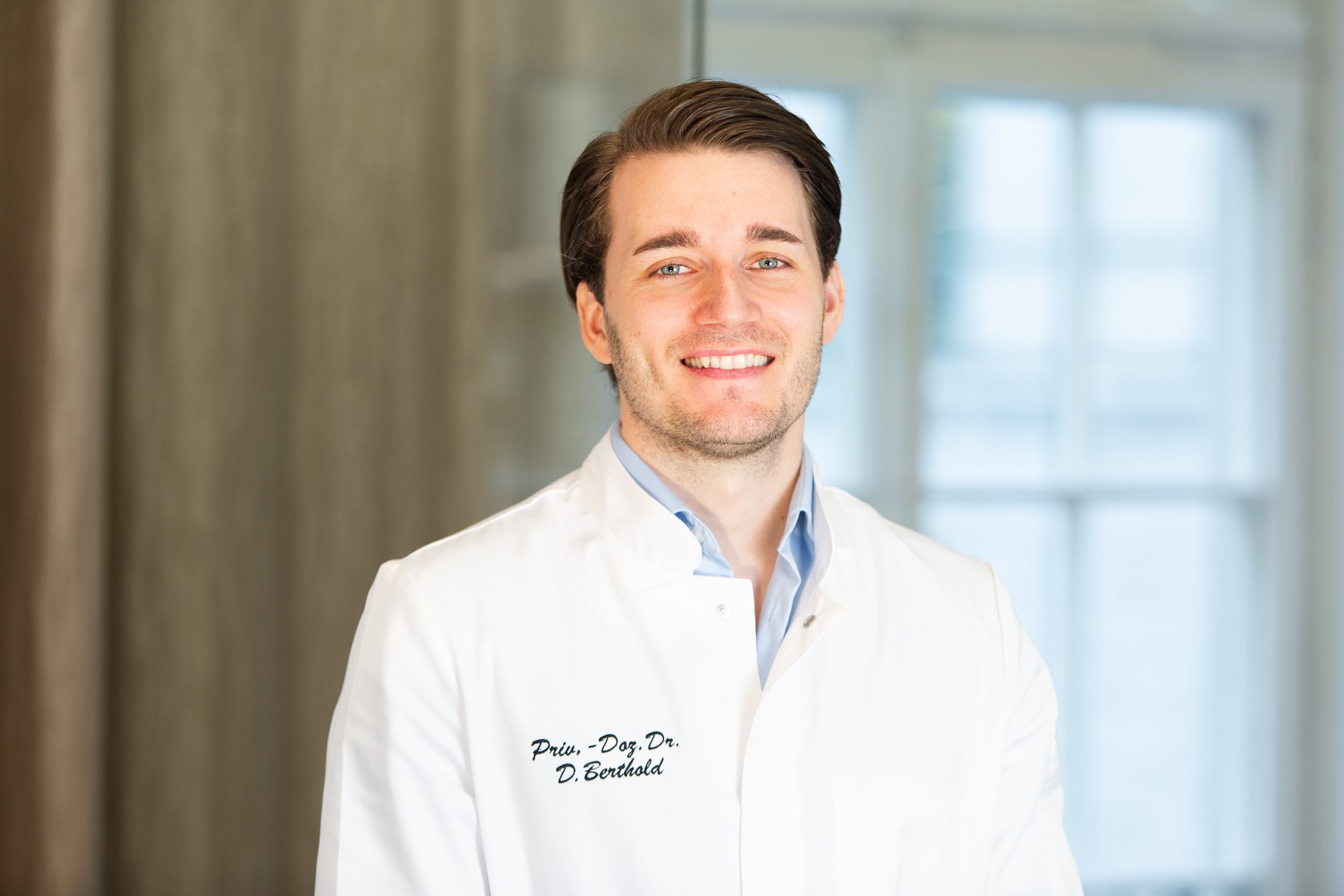 PD Dr med Daniel P. BertholdOrthopedic surgeon · University lecturer · Sports orthopedics
Author and medically responsiblePD Dr. med. Daniel P. BertholdSpecialist in Orthopaedics and Trauma SurgeryUpdated
Next step
Which contact route fits your request?
Choose between a clinical appointment, second opinion, athlete care or a professional inquiry.