
Strength testing
Strength testing in Munich
Strength testing makes physical capacity, side-to-side differences and load-related deficits measurable. Tests are selected according to whether the aim is training, prevention, rehabilitation or return to sport.
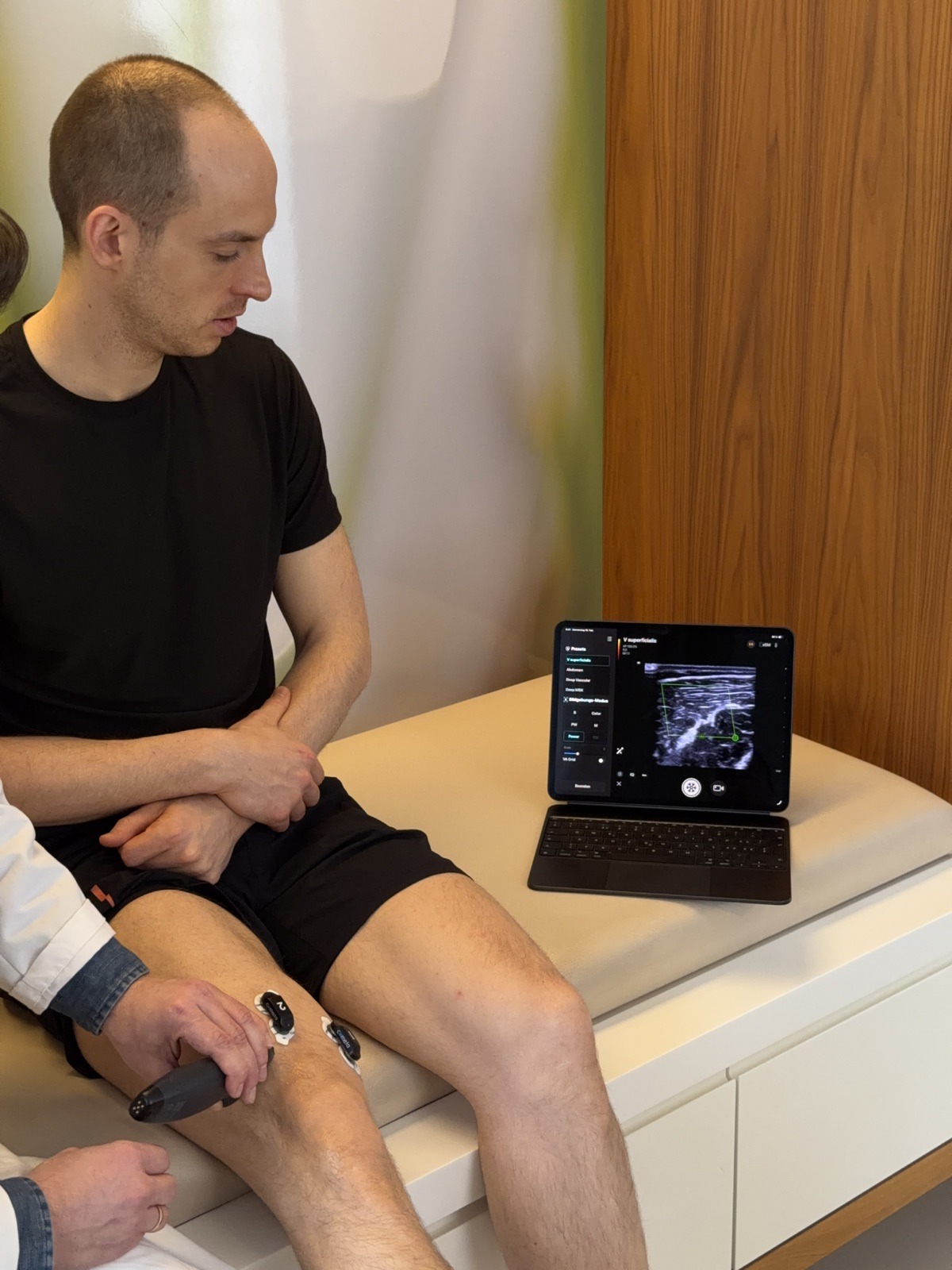
At a glance
What matters for this decision.
- Distinguish maximal strength from rapid force production
- Assess symmetry alongside overall performance
- Adapt tests to the sport and injury
- Connect measurements with movement quality and symptoms
Decision guide
Four points to discuss before deciding.
Use these points to prepare the question you want a second opinion to clarify.
- 01
Starting point
Distinguish maximal strength from rapid force production
- 02
Available information
Assess symmetry alongside overall performance
- 03
Options
Adapt tests to the sport and injury
- 04
Next step
Connect measurements with movement quality and symptoms
Your test profile
Different strength questions require different tests.
After a knee injury, different muscle groups and movements may matter than for a shoulder condition or a performance assessment. A reliable profile therefore combines appropriate measurements rather than collecting as many device readings as possible.
What the results mean
Symmetry alone is not an all-clear.
Two similarly weak sides can appear symmetrical. Conversely, a moderate difference may mean something different when overall performance is high. Reference values, progress, movement control and the demands of the intended activity are decisive.
A meaningful selection
Measure what can improve a decision.
For strength testing, the choice of investigations depends on your history, current training, symptoms and personal goal. More data are not automatically better; what matters is whether a result is understandable, reliable and useful in practice.
Measurements are therefore not assessed in isolation. Progress over time, day-to-day condition, training phase, medications and methodological limitations all need to be considered before a recommendation is made.
Your result
Turn information into an actionable next step.
At the end, it should be clear which questions have been answered reliably, what uncertainty remains and what follows from that. The next step may be an adjustment to training, further investigations, targeted treatment or, initially, monitored observation.
A good plan can be reviewed: goals, a timeframe and criteria for progress are defined in advance. This ensures that an examination or consultation is connected to what happens next.
Common questions
Answers to common questions.
Is strength testing useful only after an injury?
No. It can also help identify training priorities objectively or track changes over time. Its usefulness depends on a specific starting question.
What does a side-to-side difference mean?
It may indicate a relevant deficit, but is not automatically abnormal. Interpretation includes the sport, dominant side, overall capacity, symptoms and previous injuries.
Author and medically responsiblePD Dr. med. Daniel P. BertholdSpecialist in Orthopaedics and Trauma SurgeryUpdated
Next step
Which performance or prevention question should the program answer?
Describe the goal and current training or health context. The inquiry can then be matched to the appropriate performance or prevention offer.